

Engineering Armor: Sheet Metal Enclosure Design & Fabrication for Demanding Electronics
Industrial computing, medical devices, telecom, and automation demand enclosures that are robust armor. Sheet metal fabrication delivers strength, precision, and versatility for custom metal boxes that protect sensitive electronics in harsh environments. This guide covers key design and fabrication principles for high-performance sheet metal enclosures, emphasizing the fabrication process.
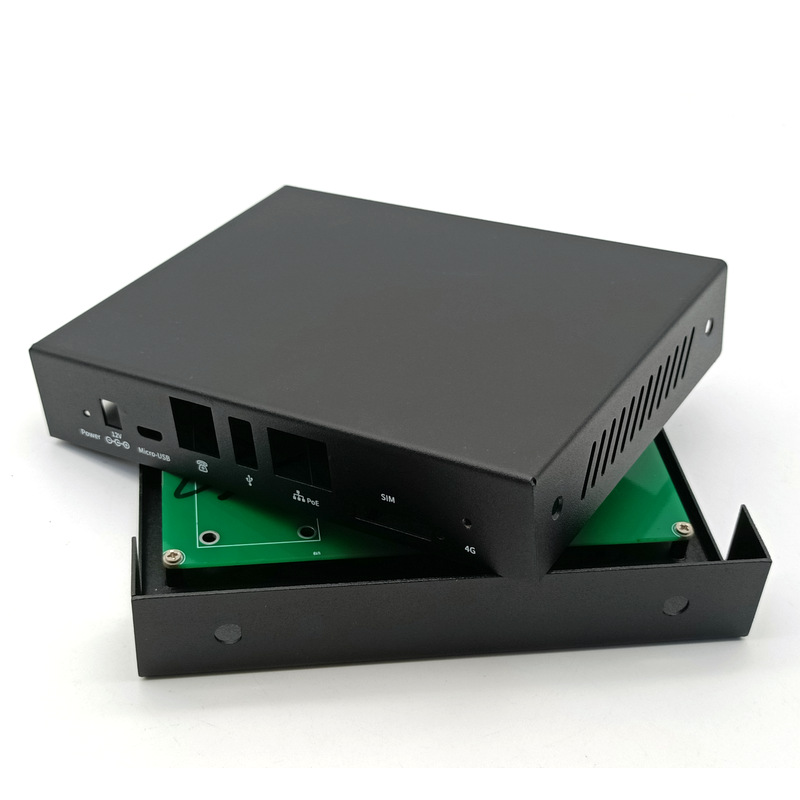
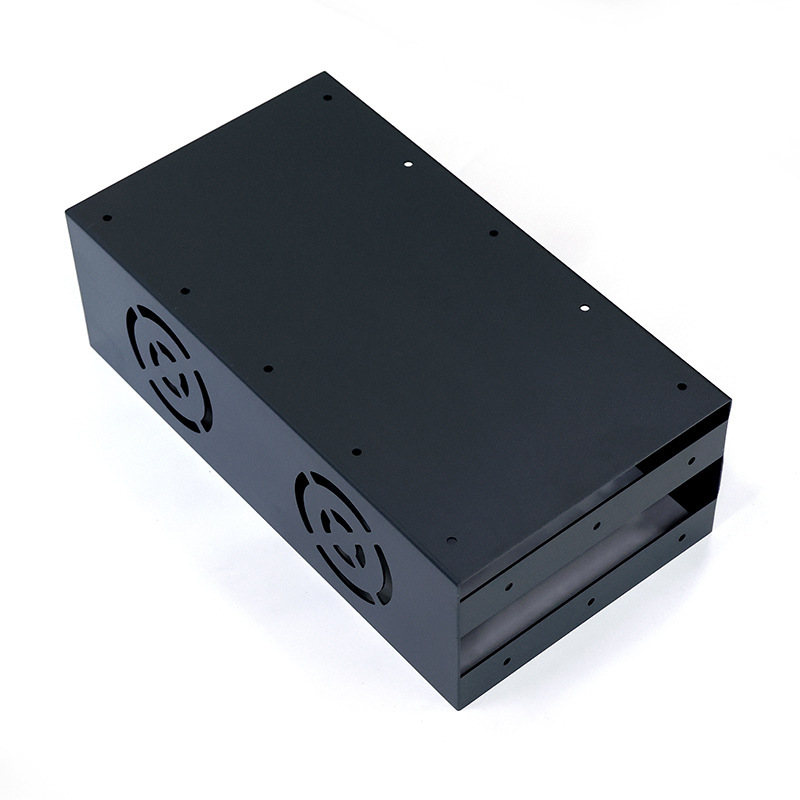
1. Containing Noise: EMI Shielding Challenges in Metal Enclosures
Metal shell compute enclosures inherently combat Electromagnetic Interference (EMI), but effective shielding requires precise sheet metal fabrication:
-
Seam Management: EMI leaks through gaps. Fabrication solutions:
-
Continuous Welding: Creates conductive seams at corners/joints.
-
EMI Gasket Grooves: Precision bending/stamping forms channels for conductive gaskets around doors/panels/cable entries.
-
Conductive Finishes: Zinc plating or chromate conversion maintains conductivity.
-
-
Ventilation: Use perforated metal with EMI-suppressing hole sizes/shapes or specialized honeycomb vents (fine blanking/welding).
-
Grounding: Fabricate dedicated, low-resistance grounding points (welded studs/tapped holes). Ensure panels contact the chassis via bare metal or straps.
2. Sealing the Deal: IP67-Rated Industrial Box Design
Achieving IP67 (dust-tight, temporary immersion) relies on meticulous design and fabrication:
-
Gasket & Groove: Select elastomer (EPDM, Silicone). Use CNC machining or precision press-brake forming for exact groove depth/width/corner radius. Tolerances are critical.
-
Door/Cover Mechanics: Integrate robust latches/clamps (often CNC machined parts) for even compression. Use sturdy hinges.
-
Seamless Construction: Minimize seams. Use continuous welds (TIG, Laser) over fasteners on critical joints. Grind welds smooth.
-
Cable Glands: Specify IP67 glands. Fabricate mounting holes precisely.
-
Drainage/Equalization (Optional): Integrate welded or CNC machined vents with membranes/drains.
3. Material Choice: Aluminum vs. Coated Steel
Material choice impacts fabrication and performance:
-
Aluminum (e.g., 5052-H32, 6061-T6):
-
Pros: Lightweight, corrosion-resistant, good strength/weight, malleable (complex bends), excellent thermal conductivity, weldable.
-
Cons: More expensive, lower strength (thicker gauges needed), softer (scratches/dents), requires specific tooling.
-
Fabrication: Easier forming; needs sharp tools to prevent tearing. Common finish: Anodizing. Ideal for weight/thermal critical apps.
-
-
Coated Steel (e.g., CRS Zinc Plated, Galvannealed, Powder Coated):
-
Pros: High strength/rigidity, lower cost, impact resistant, diverse coatings.
-
Cons: Heavier, corrosion risk if coating damaged (edge protection vital), lower thermal conductivity, harder to form complex shapes, welding damages coatings.
-
Fabrication: Needs robust tooling. Deburr edges thoroughly, pre-coating. Minimize welding HAZ/distortion. Ideal for high-strength/cost-sensitive/impact-heavy apps.
-
4. Precision Integration: CNC-Machined Parts with Stamped Bodies
Complex enclosures blend stamped/bent sheet metal with precision CNC machining parts:
-
Why: Stamping is efficient for large panels. CNC machining adds precision: threads, tight-tolerance bosses, heatsinks, fine cutouts, complex 3D shapes.
-
Design Integration:
-
Locating Features: Stamped pilots/notches locate CNC parts.
-
Tolerance Management: Manage stack-up (stamping ±0.005"-0.015" vs CNC ±0.001"-0.005"). Use datums.
-
Joining: Welding (TIG/Laser - strong/permanent, needs fixturing), PEM inserts (pressed-in threads), or mechanical fasteners (for disassembly).
-
-
Fabrication Synergy: Requires collaboration between stamping/bending and CNC teams, shared CAD/CAM, and process planning.
5. Thermal Management in Server Enclosures
Cooling high-density electronics in a metal shell computer requires designed and fabricated solutions:
-
Strategic Ventilation: Fabricate optimized vents (louvers/perfs) via CNC punching/fine blanking. Position: intake low/front, exhaust high/rear.
-
Conductive Pathways: Design direct metal contact (via CNC machined plates/heat spreaders) between components and enclosure walls. Use TIMs. Aluminum preferred.
-
Integrated Heatsinks: Bond/machine fins onto panels or add mounts for CNC-machined heatsinks.
-
Fan Mounts: Fabricate sturdy, damped mounts (formed brackets/ CNC machined shrouds). Ensure smooth airflow paths.
-
Coatings/Finishes: Use anodizing (Al) or emissivity-enhancing powder coats.
The Fabrication Process: Core Steps
Sheet metal fabrication transforms design into reality:
-
Laser Cutting / CNC Punching: Creates precise flat blanks. Nesting minimizes waste.
-
Bending (Press Brake): Forms 3D shapes. Critical: bend radius, allowance, grain direction, springback, tooling.
-
Stamping/Forming (High Volume): Dedicated dies for complex shapes (draws, louvers, ribs). High tooling cost, low part cost.
-
Welding: Joins components (TIG: precision/thin; MIG: speed/thick; Laser: speed/precision). Fixturing controls distortion. Post-weld cleaning is often needed.
-
Assembly: Fastening, hardware install, gasket/seal fitting.
-
Finishing: Cleaning, deburring/blasting, coating (powder coat, paint, plating, anodizing, chromate). Mask critical areas.
Conclusion: Expertise is Key
Designing durable sheet metal enclosures integrates functional needs, materials, and sheet metal fabrication realities. Understanding EMI, IP sealing, thermal management, and material constraints – and designing for processes like CNC punching, bending, welding, and CNC machining – creates optimized, reliable platforms.