

What factors influence sheet metal processing prices?
I believe everyone considers sheet metal processing to be a difficult process. Of course, it's also precisely because the processing itself consumes a lot of materials and is relatively expensive that many people are curious about this type of sheet metal processing. So, do you know what factors influence sheet metal processing prices?
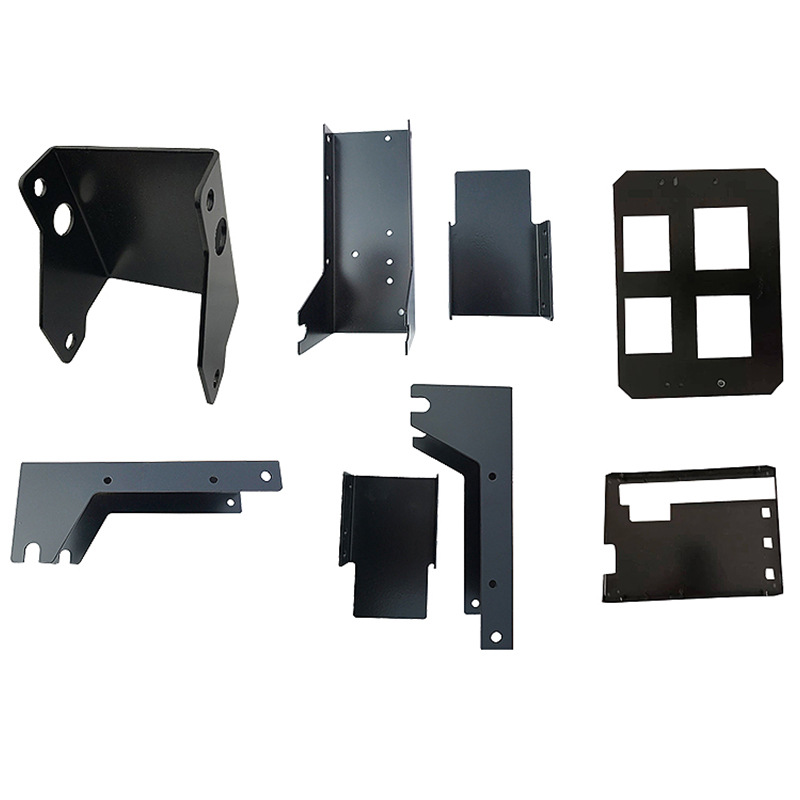
Analysis of Factors Affecting Sheet Metal Processing Prices:
1. Material Cost
Material: The primary raw material for sheet metal processing is sheet metal, such as steel coils and aluminum sheets. The cost of different materials varies significantly, affecting the final processing price.
Thickness and Specifications: The thickness and specifications of the material also affect its price. Generally speaking, the thicker the material and the more specialized the specifications, the higher the cost.
Market Fluctuations: The market price of sheet metal fluctuates based on factors such as supply and demand and fluctuations in raw material prices, which in turn influence the price of sheet metal processing.
2. Processing Difficulty
Design Complexity: The more complex the design, such as those requiring precise bending, cutting, or welding processes, the more difficult it is to process and the higher the price. Technical Requirements: Special requirements for processing accuracy and surface quality require more advanced equipment and skilled personnel, resulting in a correspondingly higher price.
3. Processing Quantity
Batch Size: Generally, the larger the batch size, the lower the price per unit. This is because large-scale production can reduce unit costs and improve efficiency.
Degree of Customization: If customized sheet metal processing services are required, such as special sizes, shapes, or surface treatments, the price will be relatively higher.
4. Equipment and Technology Level
Equipment Advancement: Advanced equipment can improve processing accuracy and efficiency, but it also increases costs.
Technical Level: Sheet metal fabrication plants with highly skilled technicians can provide higher-quality services, but prices may also be higher.
5. Labor Costs
Regional Differences: Labor costs vary significantly across regions, so labor costs can also vary.
Technical Requirements: Sheet metal processing requires specialized technicians, such as designers and operators, and their salaries can also affect processing prices.
VI. Other Factors
Processing Time: If the client has strict processing time requirements, such as requiring expedited processing, additional fees may be incurred.
Post-processing Costs: After sheet metal fabrication, surface treatment, painting, deburring, and other post-processing steps may be required, which will also affect the price.
Overhead Costs: These include factory rental, utilities, and financial expenses, which are also factored into the processing price.
In summary, sheet metal fabrication prices are influenced by a variety of factors. When selecting a sheet metal fabrication shop, clients should consider these factors comprehensively and clearly define their processing requirements to obtain a more accurate quote. They should also pay attention to the processing quality, delivery stability, and the service provider's after-sales service.